Zen Matcha Cashmere
Beautifully presented, thoughtfully sourced, and considerably less extraordinary than its description would have you believe.
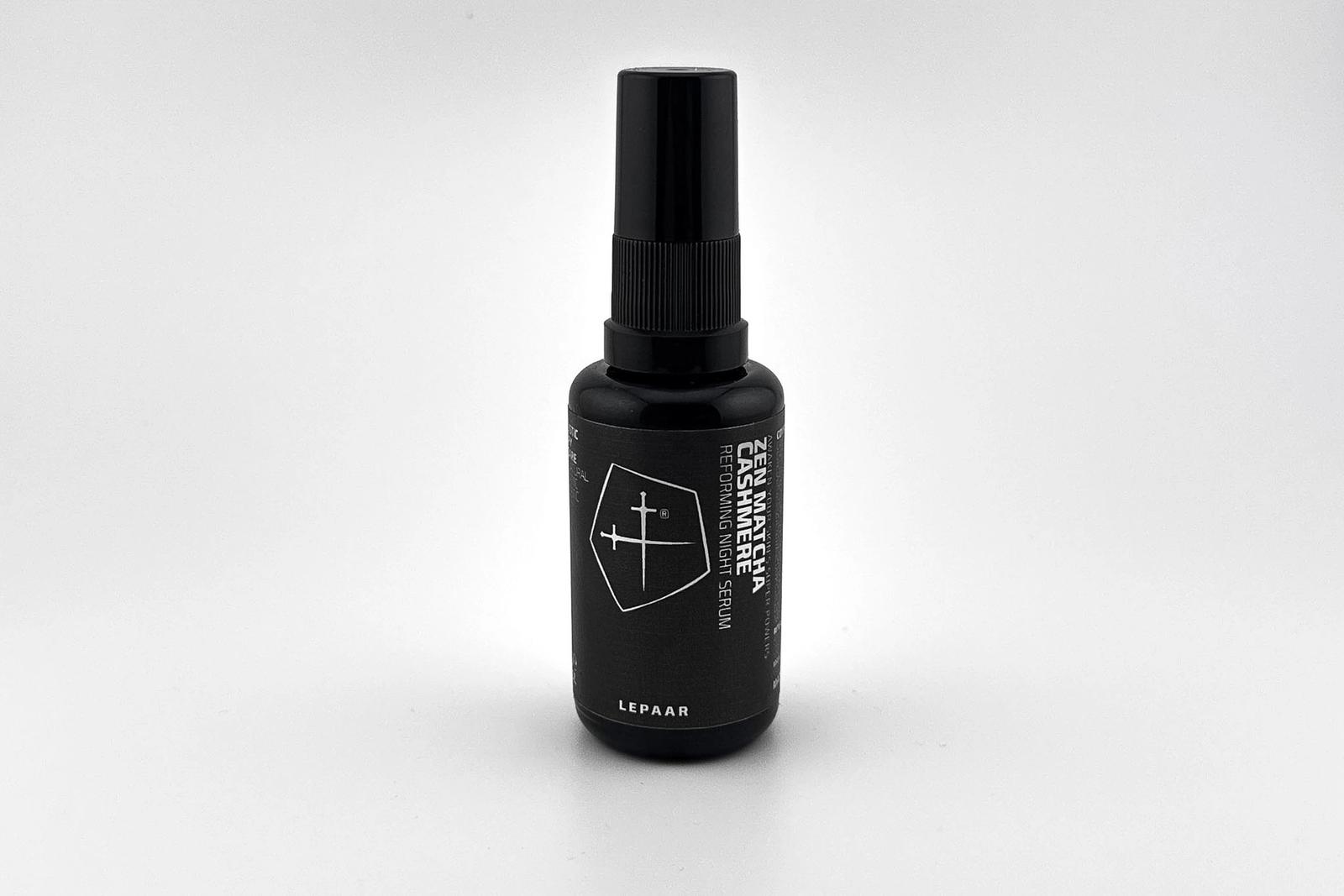
I purchased this product with my own money from laurelandreed.com.
The Backstory
LEPAAR is a brand that knows how to make an impression. The elegant packaging, elaborate product stories, attention to ingredient sourcing, and detailed descriptions of each product’s sensory experience were incredibly enticing to me.
I was particularly intrigued by the emphasis on fragrance. Each oil seems to have its own carefully constructed personality, accompanied by an impressive collection of skincare claims.
Having tried several of their products, however, I’ve found that the experience rarely lives up to the storytelling. Zen Matcha Cashmere is a particularly good example of why.
Formula & Claims
The formula is certainly interesting. Camellia, olive, grape seed, avocado, tamanu, and other botanical oils are combined with extracts of matcha, nettle, jasmine, and immortelle, alongside beeswax, honey, and aromatic resins.
LEPAAR deserves credit for its attention to sourcing. The brand emphasizes organic and biodynamic agriculture, wildcrafted botanicals, and traditional infusion methods, even providing detailed ingredient provenance. I appreciate that commitment, and I can see how it might contribute to the quality of the finished product.
But the claims are another matter.
According to LEPAAR, this oil repairs oxidative damage, tightens pores, improves elasticity, restores barrier function, addresses breakouts, and provides antimicrobial protection. Its essential oils are even supposed to release emotional trauma.
There are worthwhile emollients and potentially beneficial antioxidant compounds here, but I don’t see convincing evidence that this particular formulation can deliver the extraordinary range of results being advertised.
The Experience
The oil itself is perfectly pleasant. It has an attractive green color and a slightly cloudy appearance, with a texture that feels somewhat different from LEPAAR’s other oils. I also appreciate the pump packaging, which I prefer to the droppers used for most of the brand’s other facial oils.
The scent, however, is disappointing.
LEPAAR describes an elaborate fragrance of resinous honey, green tea, smoky forest, wildflowers, and jasmine. It sounds wonderful. In practice, the aroma is so subtle that the promised sensory experience barely materializes.
The brand discloses an essential oil concentration of just 0.05%, which might help explain the restrained fragrance. There’s nothing inherently wrong with a delicately scented product, but when a brand devotes this much attention to describing its olfactory complexity, I expect something worth smelling.
As skincare, it’s a competent oil. It feels nice, conditions the skin, and does what I generally expect a botanical facial oil to do. Nothing about my experience suggests particularly exceptional benefits.
Final Words
My issue with Zen Matcha Cashmere isn’t that it’s a bad oil. It’s that LEPAAR has created an enormously elaborate narrative around something that, in practice, feels fairly ordinary.
At $120 for 30 ml, I expect more than competent moisturization, attractive packaging, and a fragrance that barely registers. I’ve used considerably less expensive oils that offer a more enjoyable sensory experience, and I don’t see a compelling reason to expect dramatically different skincare benefits from this one.
I appreciate the attention to sourcing, and I understand why someone invested in LEPAAR’s philosophy might find value here. But thoughtful sourcing doesn’t automatically make a product exceptional, and beautiful storytelling doesn’t substitute for the experience itself.
And disappointingly, this oil did not release any of my emotional trauma, which remains alive and well. Perhaps they should have been more generous with the essential oils.